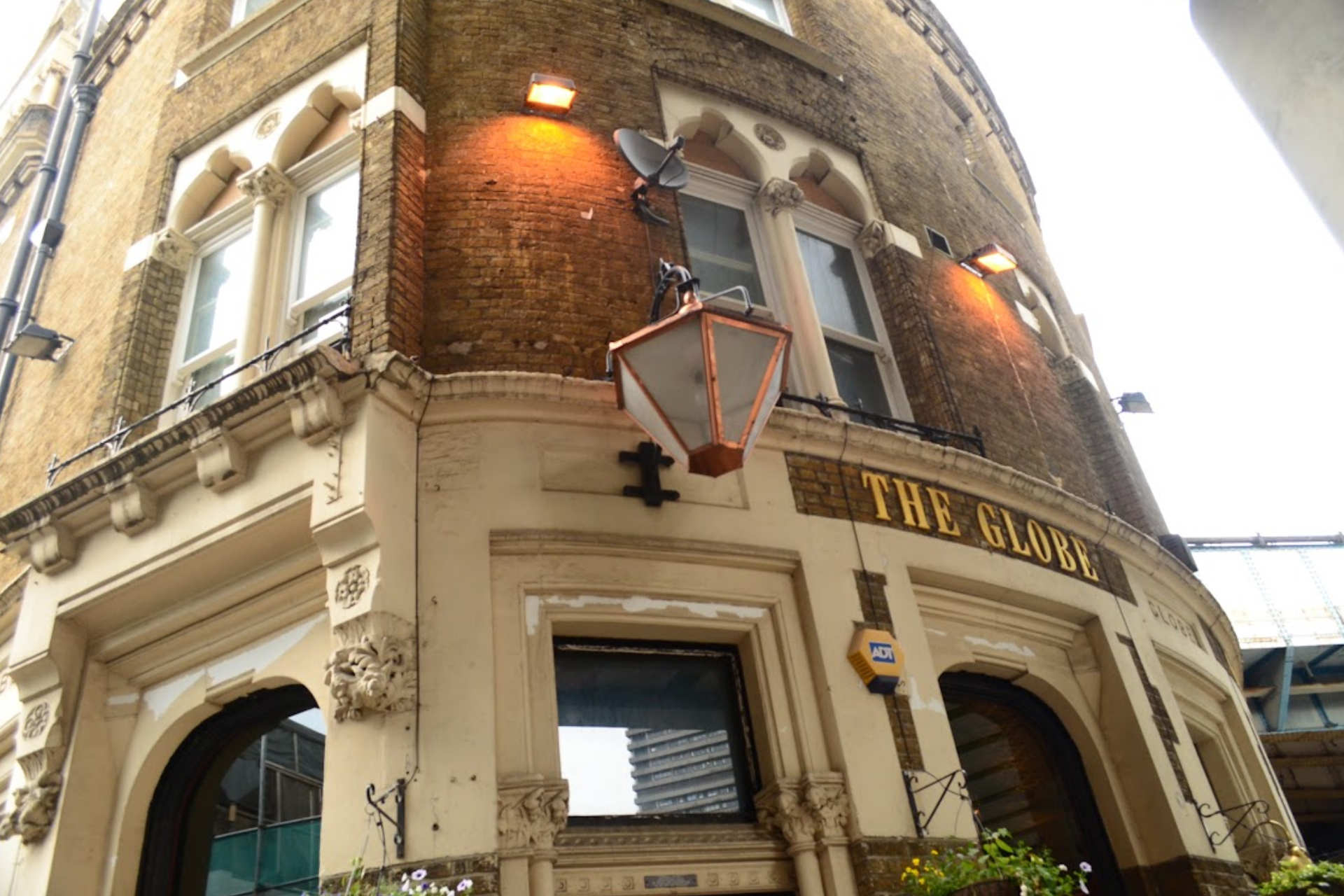
Borough, part of Southwark in south-east London, lies just south of London Bridge and has origins dating back to Roman times. Today it is a historic district known for its food scene, markets, and mix of cultural and heritage sites, appealing to a wide range of visitors.
Our journey begins at Borough Underground Station↗︎, heading north along Borough High Street towards London Bridge. As you exit the station, St George the Martyr Church appears on your right, a landmark with strong literary connections and a long local history.
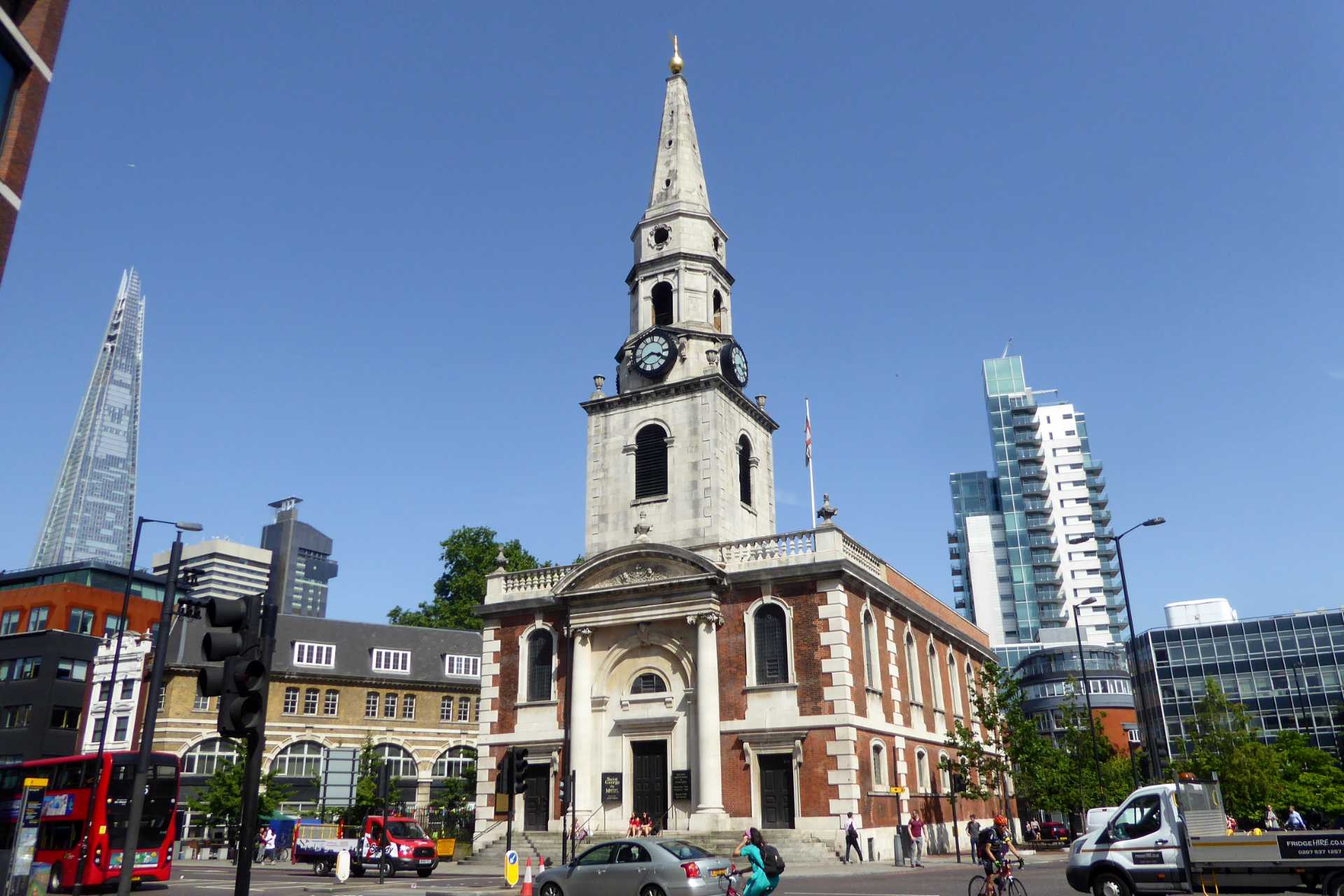
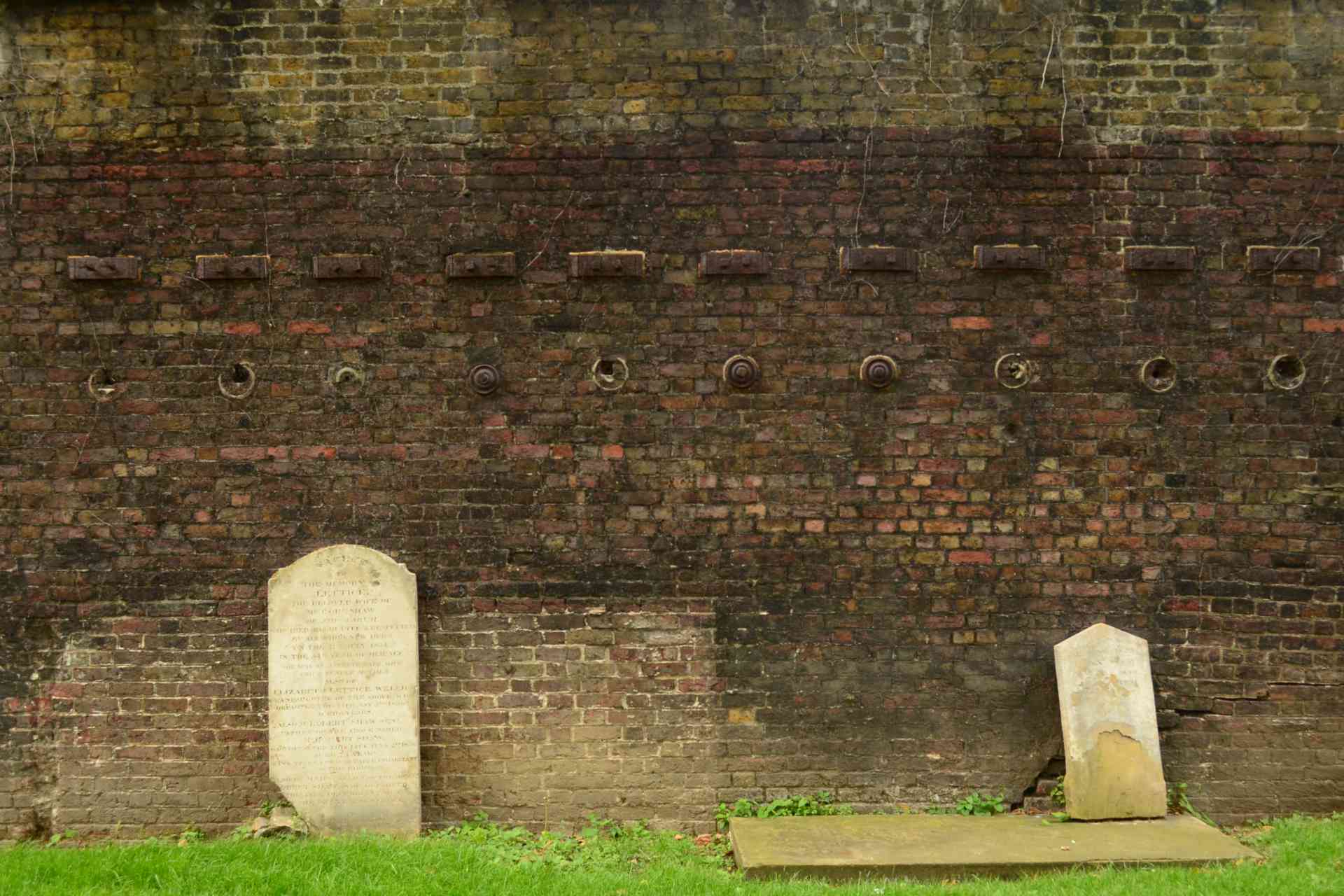
St George the Martyr Church holds strong connections to Charles Dickens, whose father was once imprisoned for debt in the nearby Marshalsea prison. The prison’s surviving wall still adjoins the north side of the churchyard.
Charles Dickens stayed on nearby Lant Street during a difficult period of his youth, in a house owned by the Vestry Clerk of St George’s. The area left a clear mark on his writing, with parts of Little Dorrit set around the church. Today, a small depiction of Little Dorrit features in the church’s east window, marking this literary link.
Continuing north along Borough High Street, the street unfolds in a mix of architectural styles. The lower stretch is lined with small shops and office buildings, punctuated by Victorian façades that give the area its character.
Reaching Union Street, the tone shifts, with more cafés and eateries appearing as Borough’s food culture comes into focus. Union Street also leads towards one of the area’s more unusual sites, Crossbones Graveyard. Turning onto Redcross Way takes you to this former burial ground, now a remembrance garden with a fascinating history.
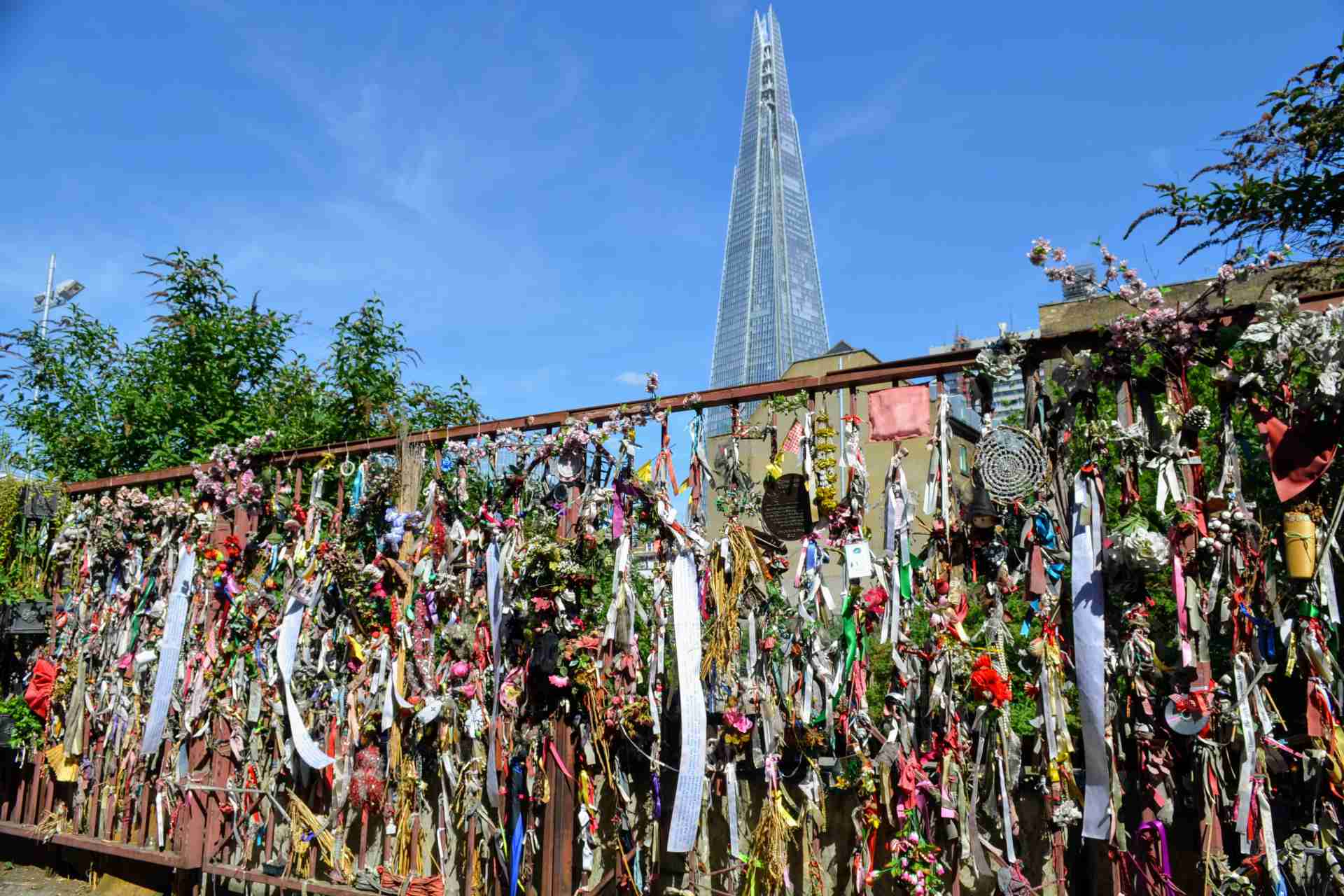
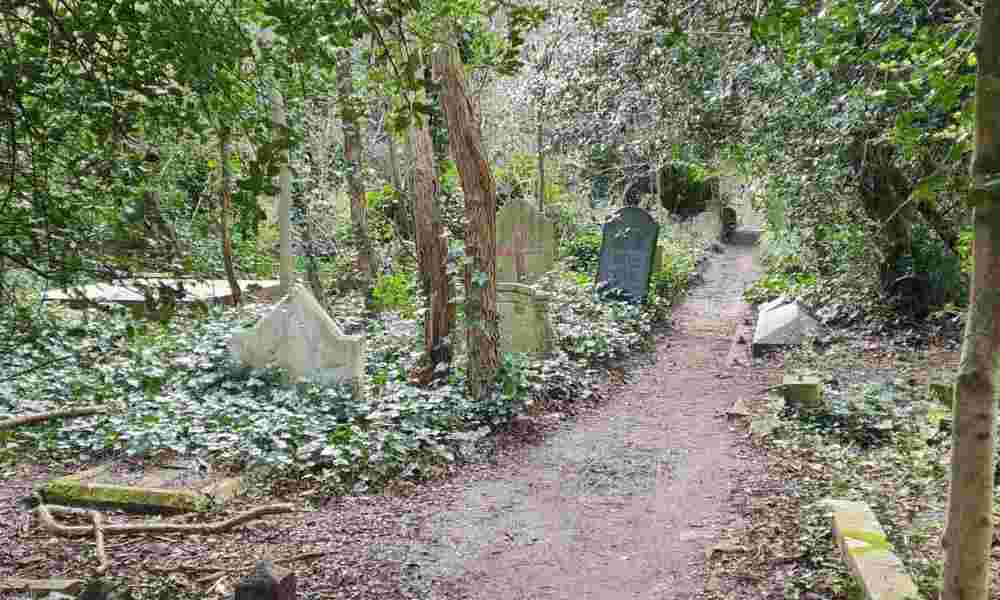
Crossbones Graveyard is a historic burial ground with a sombre past. Originally an unconsecrated site for the poor and marginalised, it dates back to the medieval period when it became the final resting place of prostitutes, known as “Winchester Geese” due to the area falling under the jurisdiction of the Bishop of Winchester. It also held paupers and those unable to afford a formal burial, making it a stark reminder of the inequalities of the time.
By the 18th century, the graveyard had become overcrowded and was closed in 1853. For decades it was largely forgotten, overshadowed by the rapid development around it. Its history resurfaced in the 1990s when human remains were uncovered during works for the Jubilee Line extension, bringing renewed attention to its past.
Today, Crossbones is recognised as a site of historical and cultural importance. It has been transformed into a memorial garden, offering a space for reflection. Visitors often leave ribbons, flowers, and personal tokens on the gates as a tribute to those buried there, many of whom were marginalised in life and death.
Continuing the walk north on Borough High Street, you will come to The Bridge Tap, a pub housed in an elegant Victorian building. The pub offers a spacious setting where patrons can enjoy comfort foods such as pizza and burgers alongside a selection of drinks.
Across the road to the right, you’ll find the George Inn, London’s last remaining galleried coaching inn. This historic building, now owned by the National Trust, dates back to the 17th century and retains its distinctive wooden galleries, once used to access upper rooms for travelling guests. It also carries literary ties, with Charles Dickens referencing it in Little Dorrit.
Today, the George Inn still operates as a pub, combining its historic setting with traditional British food and a wide range of ales. Visitors can sit in its atmospheric courtyard or cosy interior, experiencing a rare surviving piece of old London hospitality.
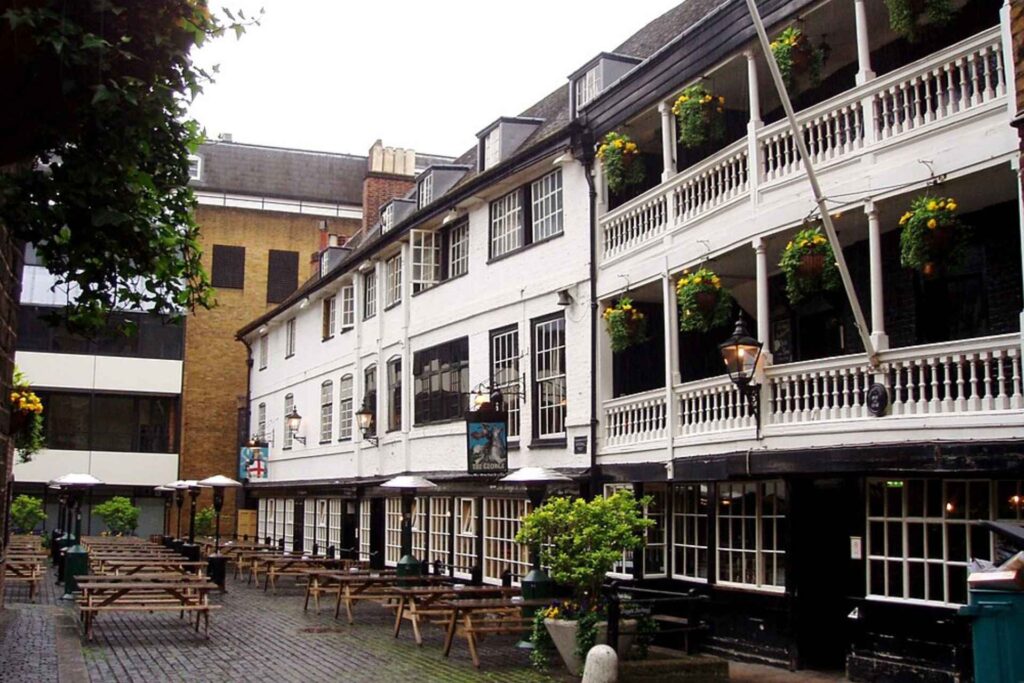
The George Inn welcomes visitors daily from 10:00 to 23:00, extending hours until 1:00 on Thursdays, Fridays and Saturdays. The kitchen serves meals from 10:00 to 22:00 every day.
Continuing north, Borough Market appears on the left, with multiple entrances leading into its covered walkways and bustling stalls. For this guide, we will use the newer entrance just across St Thomas Street. Before stepping inside the market, it is worth taking a brief look at St Thomas Street itself.
This stretch is home to the Bunch of Grapes, a traditional-looking pub, along with the Old Operating Theatre Museum, Guy’s Hospital, and The Shard rising above the skyline.
Guy’s Hospital is one of the oldest and largest teaching hospitals in the United Kingdom. Founded in 1721 by philanthropist Thomas Guy, it has been central to medical education and patient care for over three centuries. The site combines historic and modern buildings, including the 34-storey Guy’s Tower, which was once the tallest hospital building in the world. At its centre is Guy’s Courtyard, a quieter space framed by Georgian architecture that offers a brief pause from the surrounding activity.
The grounds also hold an unusual link to London’s past. Stone alcoves from the old London Bridge, which stood from 1209 to 1831, were relocated here in the 19th century. These preserved fragments now sit among the hospital buildings, offering a clear reminder of the city’s layered history.
The Old Operating Theatre Museum is Europe’s oldest surviving operating theatre, dating back to 1822. Located in the attic of the early 18th-century church of the old St Thomas’ Hospital, this unique museum offers visitors a fascinating insight into the history of medicine and surgery. The museum features the original timber-framed Herb Garret and the Operating Theatre itself, where surgeons performed operations before the era of anaesthetics and antiseptics.
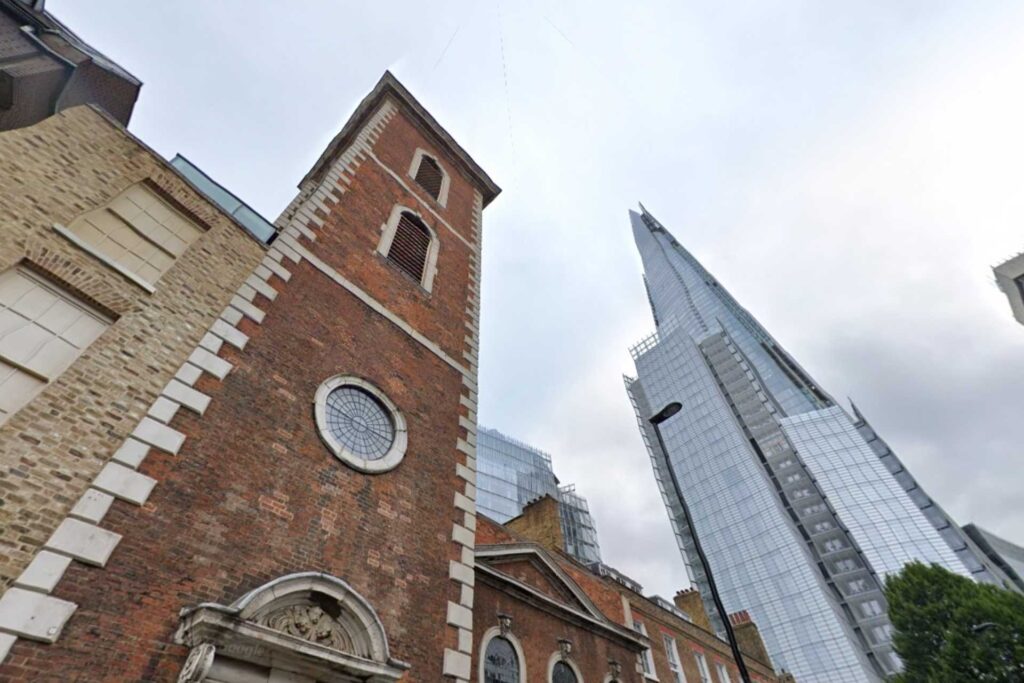
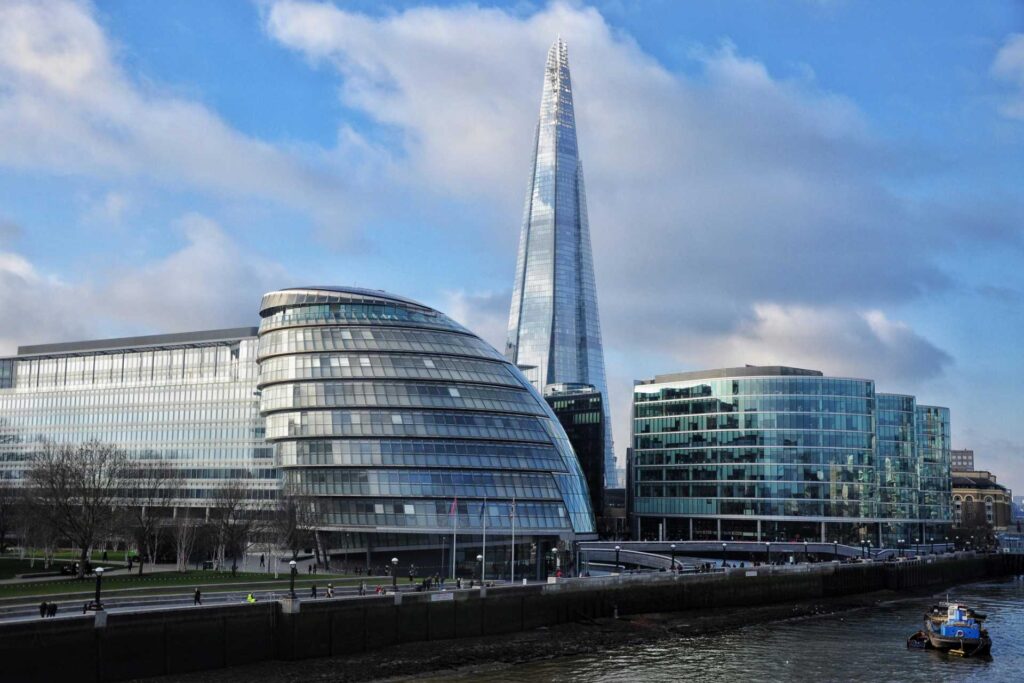
The Shard, towering over the surrounding area at 309.6 metres (1,016 ft), is the UK’s tallest building. This iconic glass spire, designed by architect Renzo Piano, offers visitors panoramic views of London from its observation deck on the 72nd floor.
The Shard is a multi-use vertical city, housing offices, restaurants, the Shangri-La Hotel, and residential apartments. Its distinctive form has become an integral part of London’s skyline since its completion in 2012, symbolising the area’s blend of historic charm and modern innovation.
Heading back west of St Thomas Street and across Borough High Street, you step into Borough Market, one of London’s oldest food markets and still very much part of the city’s daily rhythm. Its origins trace back to the 12th century, and over time it has shifted from a wholesale trading hub to a destination known for specialist produce and independent food traders.
Wandering through the covered lanes beneath Victorian ironwork, the space feels tightly packed and full of movement. Cheesemongers sit beside fruit and vegetable stalls, while bakeries, spice sellers and street food vendors trade side by side. The mix is immediate and unfiltered, with preparation, conversation and cooking all happening in close quarters.
Borough Market has endured centuries of change, including the Great Fire of London and the Blitz, each time re-emerging in a different form. Today it focuses on seasonal and often locally sourced produce, drawing a steady flow of both Londoners and visitors. The 19th-century market clock still marks the centre of it all, a simple reference point amid the activity.

Just beside Borough Market stands Southwark Cathedral, a place of worship with roots stretching back to the 7th century and the oldest cathedral church building in London. Its Gothic architecture, shaped largely in the 13th century, sits in contrast to the energy of the market just a few steps away.
Over the centuries, the cathedral has witnessed much of London’s history, surviving both the Great Fire of 1666 and damage during the Second World War. It also carries literary and academic connections, including links to William Shakespeare and John Harvard, the founder of Harvard University.
Inside, visitors find a quieter world of stained glass, detailed stonework and long, echoing aisles. The atmosphere offers a clear shift from the bustle outside, making it a natural place to pause within the wider Borough area.
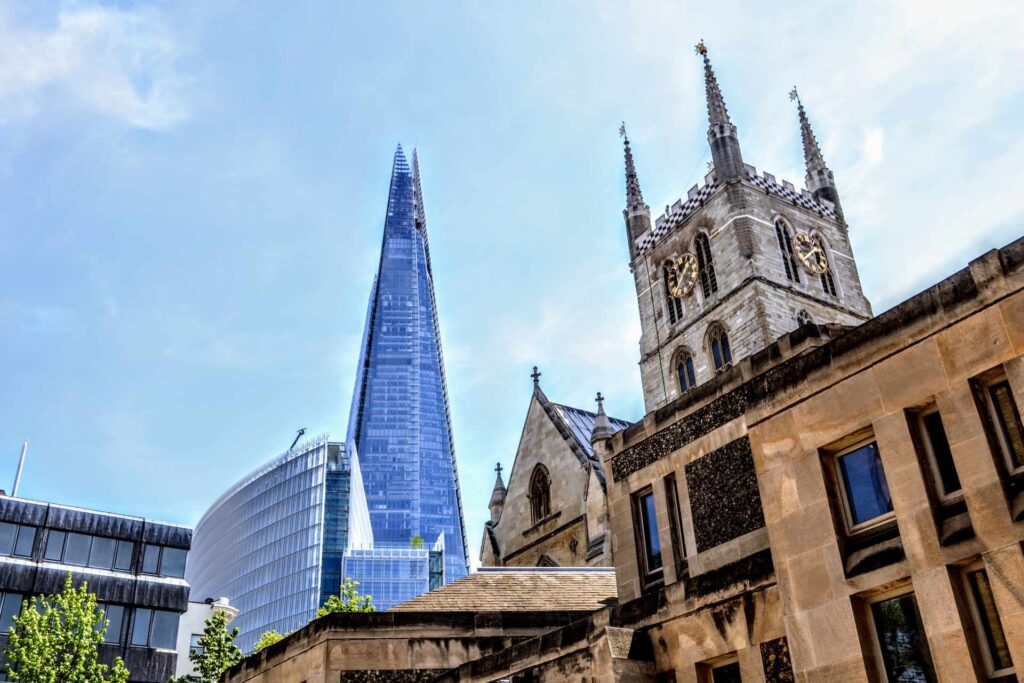
At the rear of Borough Market, cobbled Cathedral Street leads towards the site of Winchester Palace, once a grand 12th-century residence and an important centre of medieval power in London. Today, only fragments remain, with the most notable feature being a striking rose window, hinting at the scale and detail of the original structure.
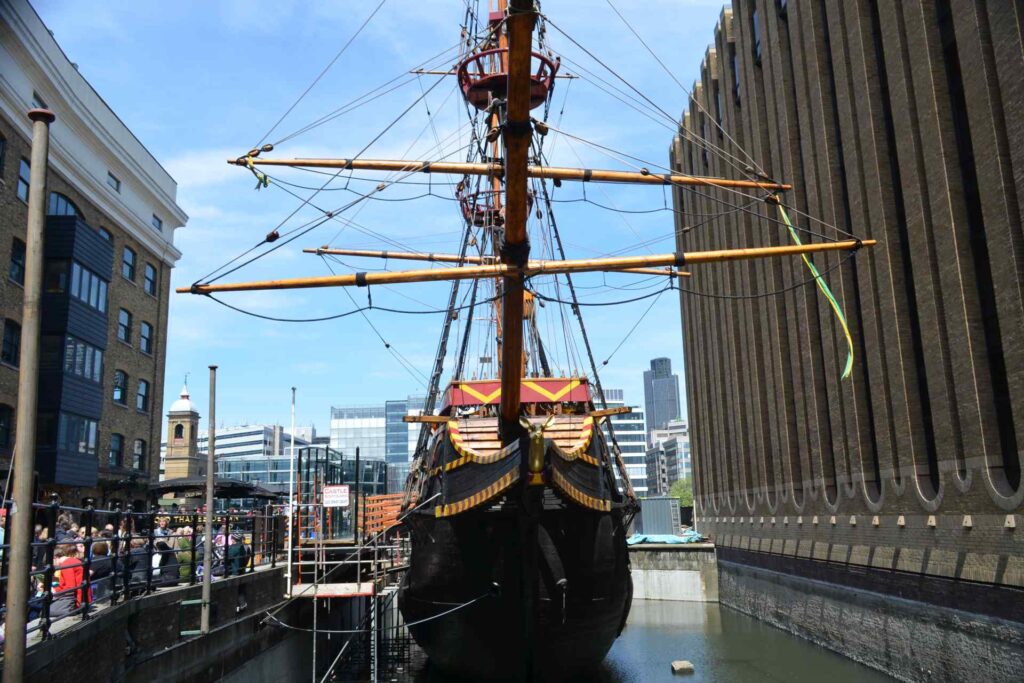
Nearby, a full-size replica of the Golden Hinde sits moored on display. This reconstruction of Sir Francis Drake’s galleon offers a close look at life at sea in the 16th century, and the ship’s role in his famous circumnavigation of the globe.
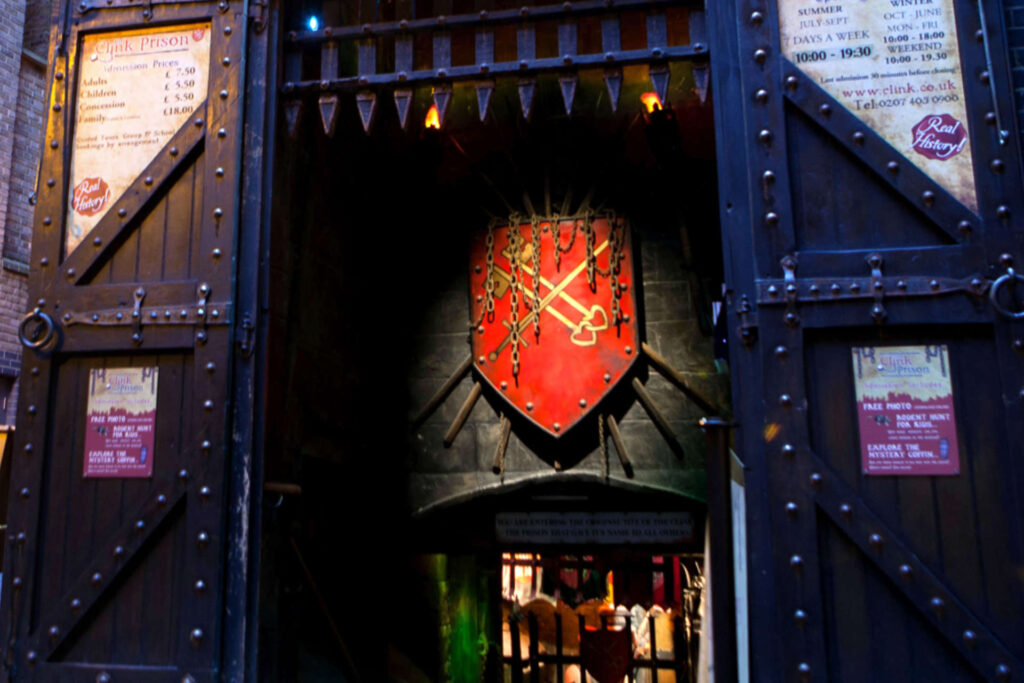
Continuing along Pickfords Wharf, you reach the Clink Museum, set on the site of one of England’s oldest and most infamous prisons. It explores the harsh realities of medieval justice, tracing the history of punishment, incarceration and crime in London across the centuries.
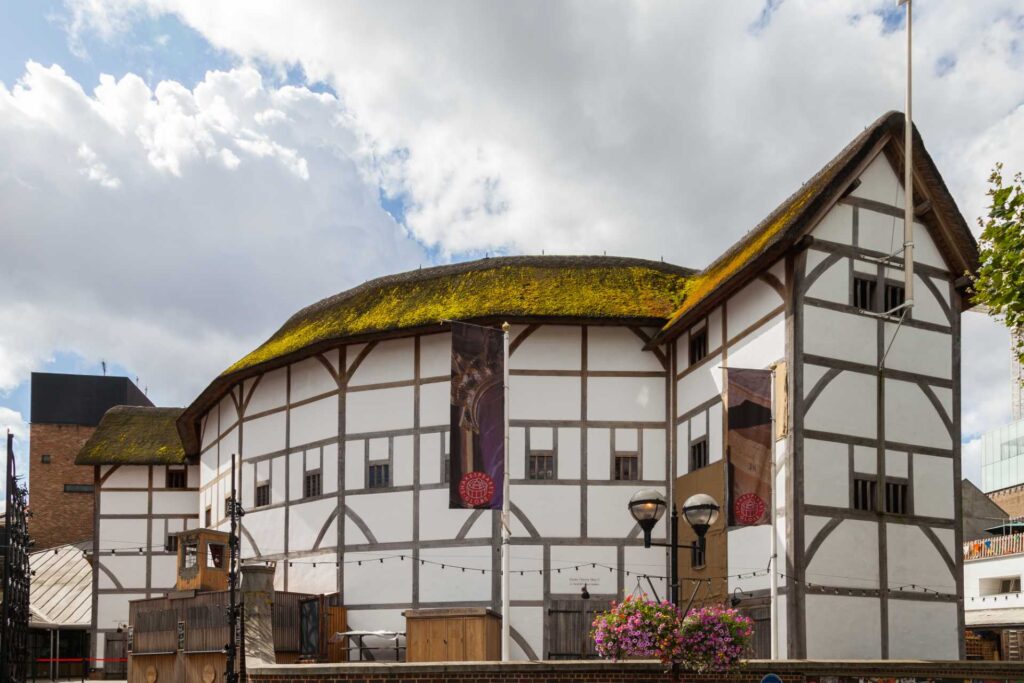
A short walk along the Thames Path, passing Southwark Bridge, brings you to Shakespeare’s Globe. This reconstruction of the original Globe Theatre offers a glimpse into Elizabethan theatre, with open-air performances of Shakespeare’s plays staged in a style closely echoing how they would have been performed in his lifetime.
Further along the riverside stands the imposing Tate Modern, housed in the former Bankside Power Station. This world-renowned gallery showcases an impressive collection of international modern and contemporary art, its vast Turbine Hall hosting large-scale installations that never fail to provoke and inspire.
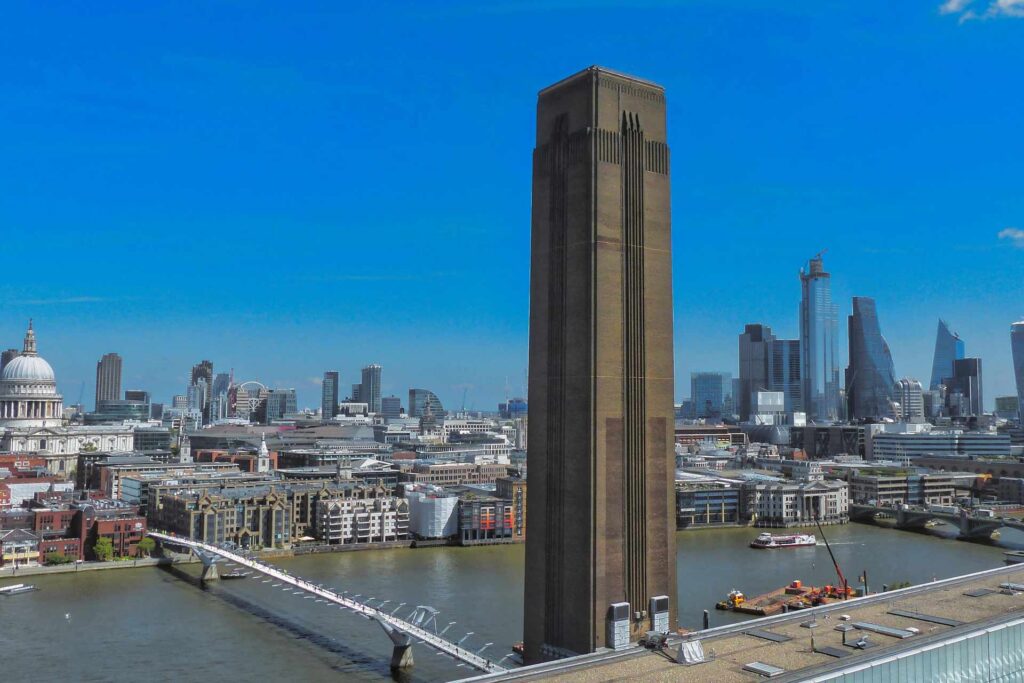
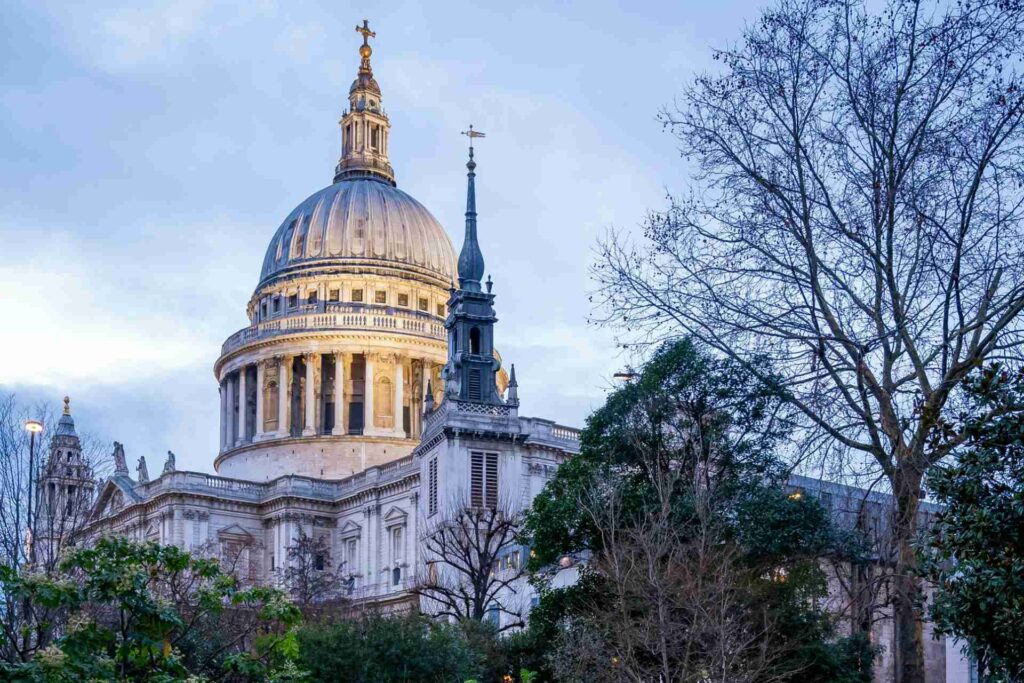
Just north of the river, across the Millennium Bridge, stands St Paul’s Cathedral. Designed by Sir Christopher Wren, this architectural landmark has shaped London’s skyline for more than 300 years, its vast dome remaining one of the city’s defining sights.
Inside, the cathedral reveals intricate interiors and a deep sense of history, with highlights including the Whispering Gallery and the climb up to the Golden Gallery, where sweeping views across London open up in every direction.
Borough and its surroundings pack a great deal into a relatively small area, making it entirely possible to experience its highlights in a single day. What stands out is the way different layers of London sit side by side, from medieval streets and market halls to theatres, churches and modern landmarks. The result is a district where history, culture, food and art are all woven into the same short walk.
Part of its appeal is how easily everything connects on foot. You can move from busy market aisles to quiet churchyards, then on to riverside paths or performance spaces without ever really leaving the neighbourhood. It gives the sense of old and new London sharing the same space rather than sitting apart.
Even in typical London weather, the area holds its own. Much of it is covered or indoors, and there is always somewhere nearby to pause, whether that is a pub, café or market stall. It is this mix of atmosphere, variety and convenience that makes Borough feel complete in its own right, whatever the weather brings.